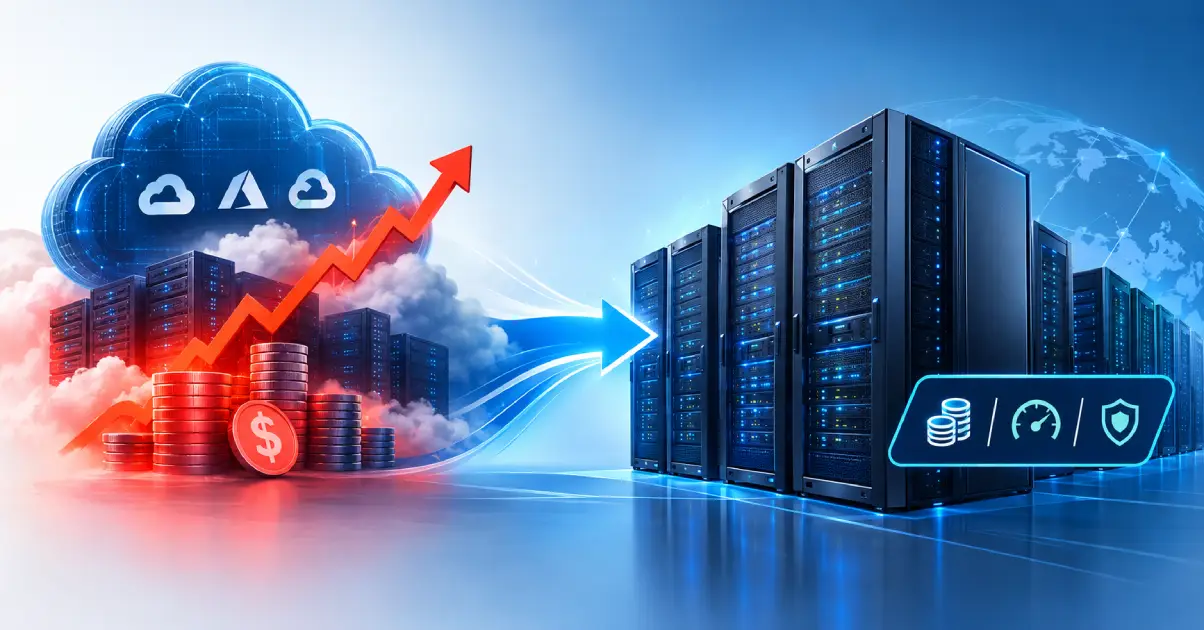
In response, a massive architectural shift is underway: cloud repatriation. Organizations are systematically migrating high-throughput, predictable workloads off shared public clouds and back onto fixed-rate, dedicated bare metal servers. By decoupling from hyperscale ecosystems and utilizing EPY Host's dedicated infrastructure, businesses are instantly slashing their monthly infrastructure bills while regaining absolute control over their network performance and hardware configurations.
⚠️ The Catalyst for 2027: The AI Hardware Squeeze
The primary driver behind the 2027 cloud pricing surge is the insatiable demand for AI-specific hardware. Global silicon foundries have aggressively reallocated their production capacities to manufacture High Bandwidth Memory (HBM) and advanced GPU architectures required for large language models and generative AI training.
Because hyperscalers operate on razor-thin margins for standard compute instances, they are passing these inflated hardware acquisition costs directly to their tenants:
- Instance Price Inflation: Standard compute and memory-optimized virtual machine instances are seeing aggressive year-over-year price increases.
- Egress Fee Escalation: Network data transfer costs out of public cloud environments remain disproportionately high, penalizing data-heavy applications.
- Hidden Provisioning Costs: Guaranteed IOPS and premium storage tiers are becoming prohibitively expensive as flash storage costs rise.
Why Bare Metal is the Ultimate Financial Defense
Cloud repatriation is not a regression to legacy IT; it is the strategic optimization of modern infrastructure. Not every workload requires the elastic, auto-scaling capabilities of a public cloud. For steady-state applications, databases, and high-traffic web services, running on leased bare metal is fundamentally more efficient.
1. Predictable, Fixed-Rate OpEx
Eliminate variable billing by leasing physical hardware at a flat monthly rate. Whether processing 10,000 or 10 million requests, your costs do not fluctuate, allowing for pinpoint budget forecasting.
2. Zero-Egress Networking
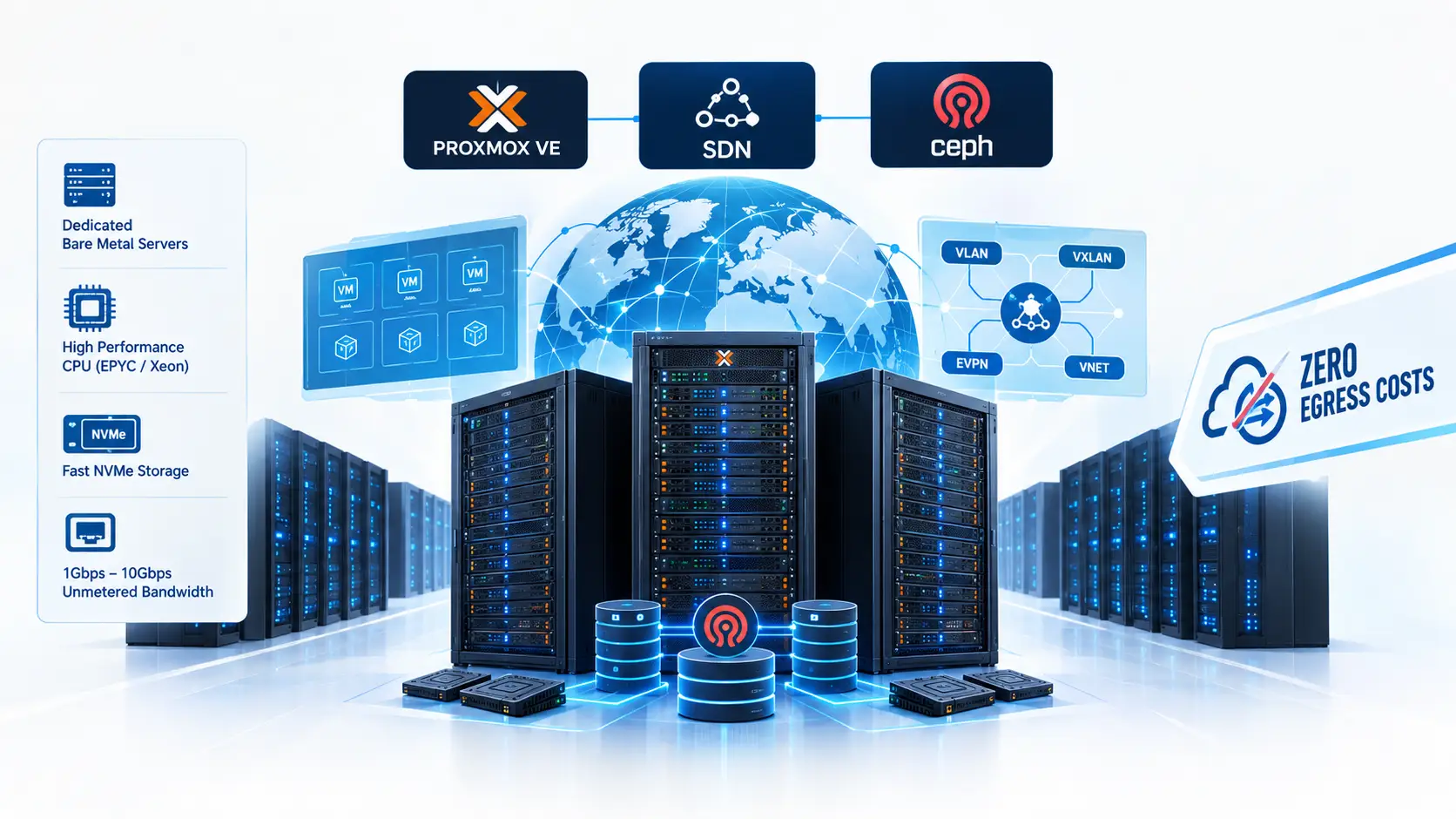
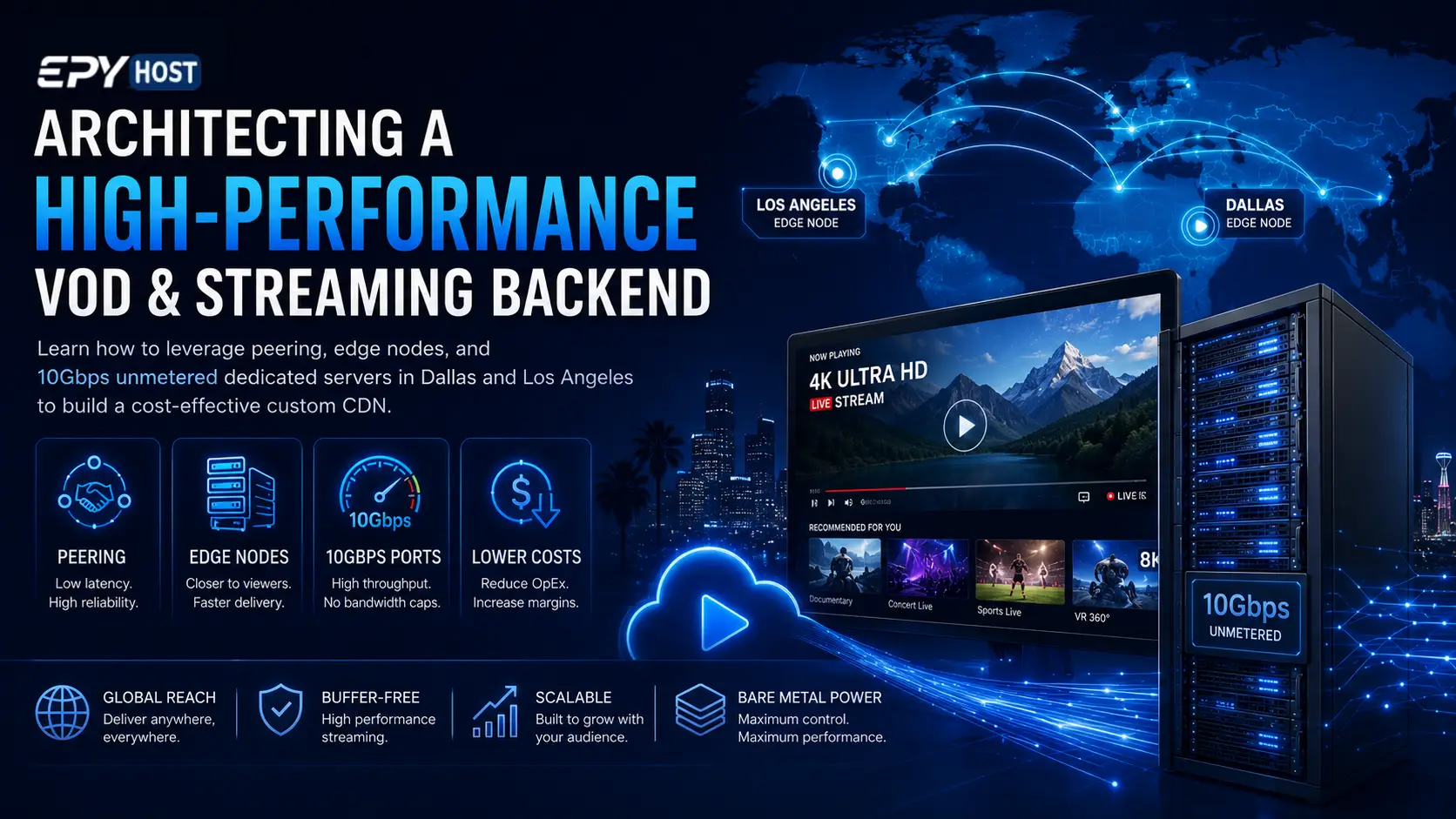
Stop paying a premium for every gigabyte that leaves the data center. EPY Host dedicated servers include generous, unmetered bandwidth allocations on massive 1Gbps to 10Gbps ports.
3. No "Hypervisor Tax"
Achieve 100% tenant isolation with direct, uncontended access to physical CPU cores, PCIe lanes, and NVMe controllers, resulting in substantially higher transactions per second (TPS).
Architecting the Repatriation Strategy
Migrating away from the public cloud does not mean abandoning modern DevOps practices. Today's dedicated servers seamlessly integrate with enterprise virtualization and containerization tools.
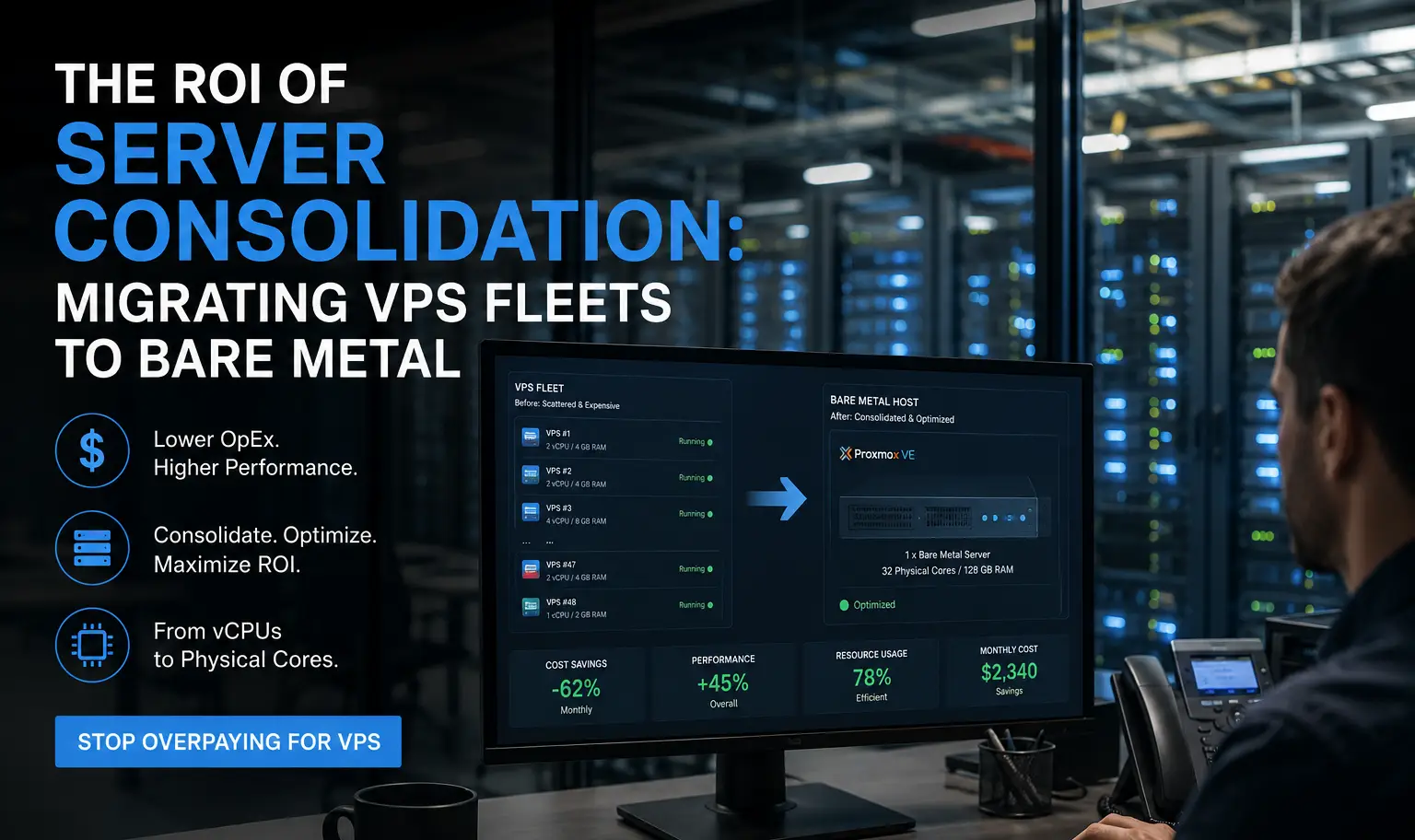
Organizations are leveraging EPY Host infrastructure to build highly resilient private clouds. By deploying hypervisors like Proxmox VE or VMware ESXi on top of bare metal, IT teams can replicate the exact automated provisioning and snapshot capabilities they enjoyed in the public cloud, but at a fraction of the cost.
Kubernetes clusters (using distributions like K3s or RKE2) run exceptionally well on raw hardware, allowing CI/CD pipelines to deploy containerized microservices just as efficiently as they would on managed cloud Kubernetes services. By locking in high-RAM, high-core dedicated servers now, forward-thinking enterprises are inoculating themselves against the volatility of the 2027 cloud market.
 Recent Topics for you