For decades, European IT infrastructure has been heavily concentrated in the "FLAP" markets—Frankfurt, London, Amsterdam, and Paris. However, as these legacy hubs face rising power costs, space constraints, and network congestion, enterprise IT architects are shifting their focus eastward. Today, Warsaw, Poland, has firmly established itself as the strategic epicenter for Central and Eastern European (CEE) deployments.
Opting for a dedicated server in Poland is no longer just a cost-saving measure; it is a tactical routing advantage. With world-class Tier III data centers and direct access to major European fiber backbones, Warsaw provides a perfect geographical bridge between Western Europe and emerging digital markets in the East.
The Power of PLIX (Polish Internet Exchange)
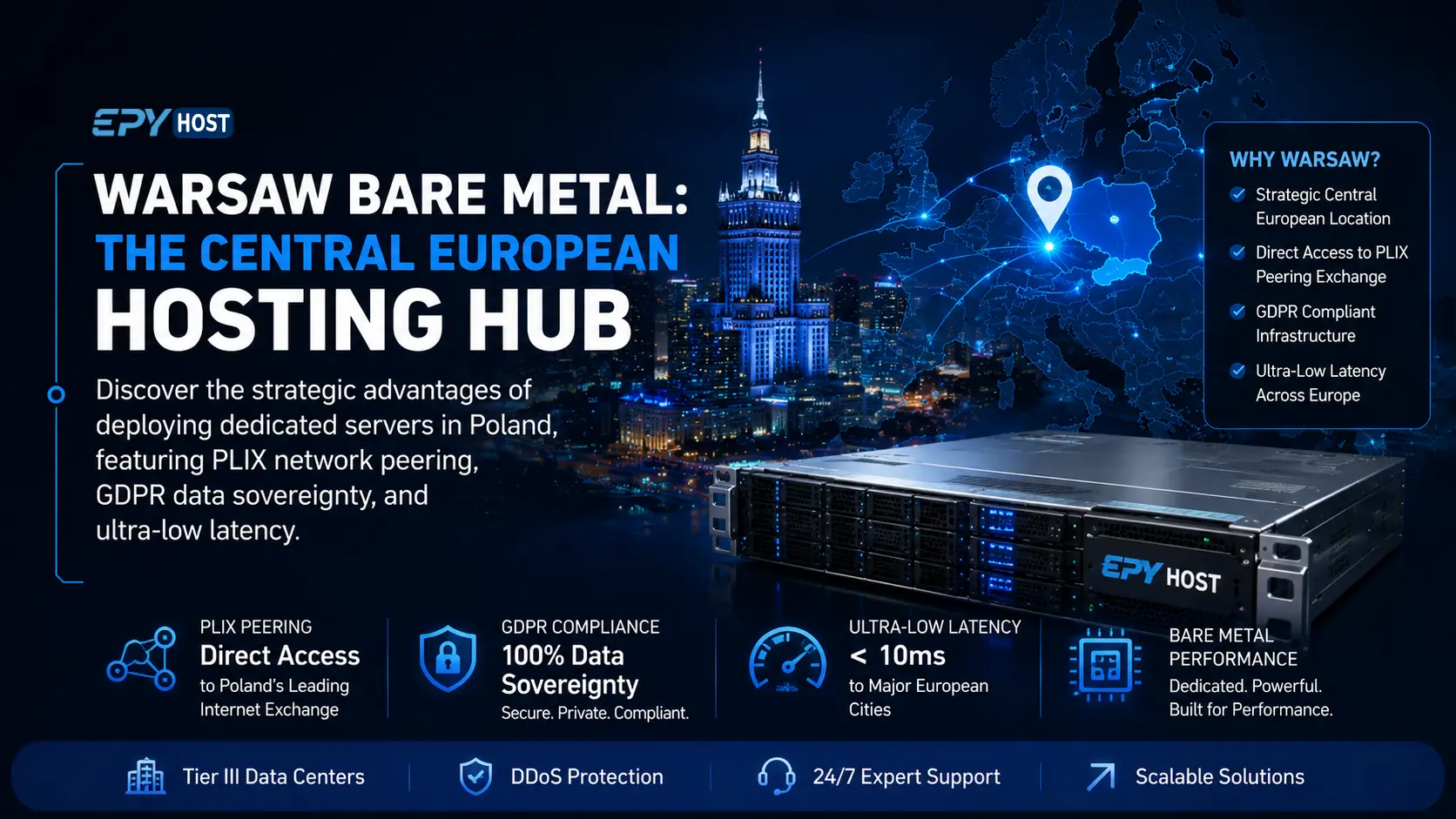
When evaluating network topologies, the physical location of your bare metal server dictates your routing efficiency. Warsaw’s primary advantage lies in its immediate integration with the Polish Internet Exchange (PLIX). As the largest commercial Internet exchange in Poland, PLIX facilitates massive data transit without the need to route traffic through external, third-party networks.
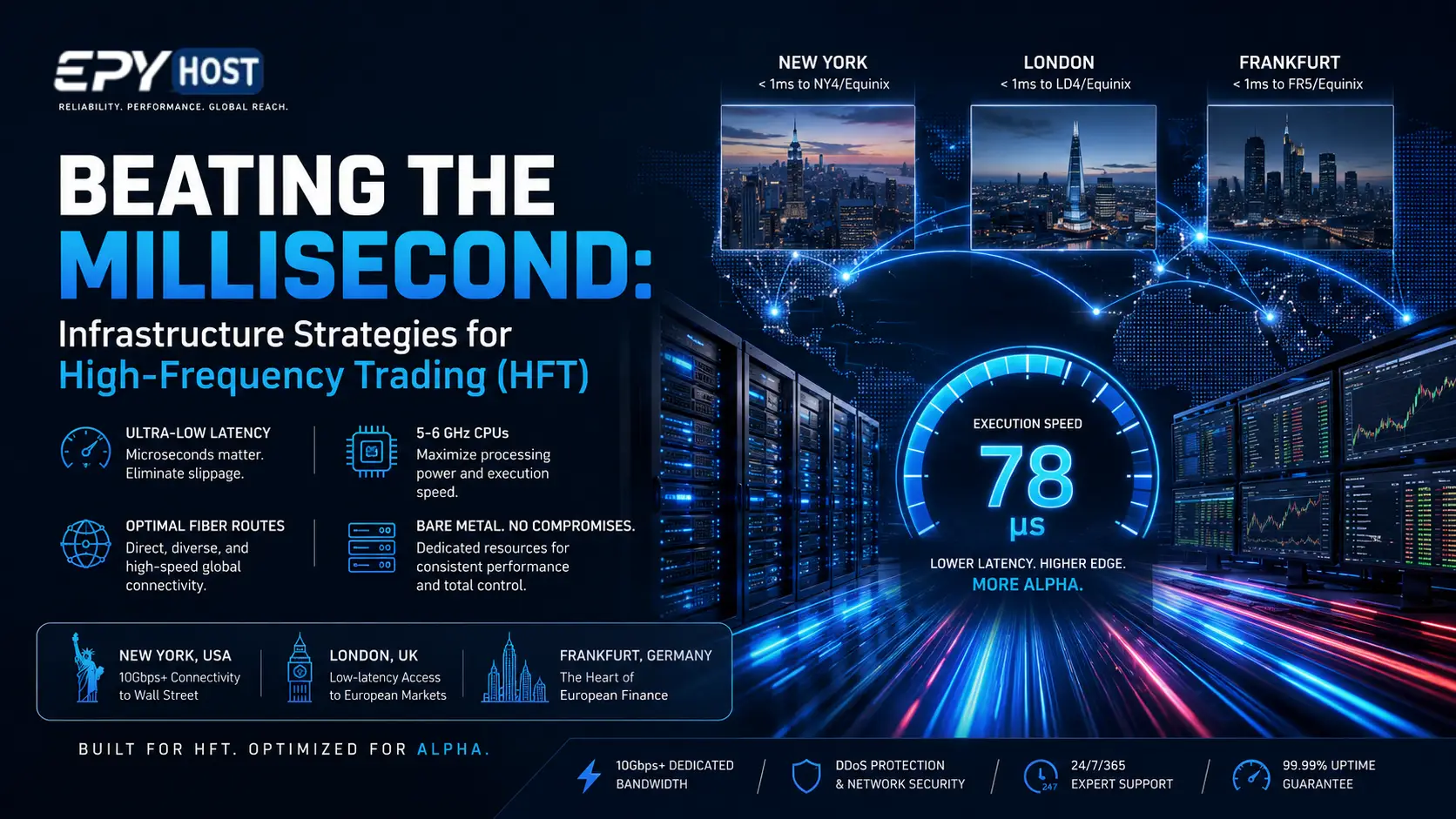
This localized peering ensures that a bare metal server in Warsaw can deliver content to domestic users instantly, while simultaneously maintaining unmetered, bottleneck-free routing to neighboring countries. Whether you are running a high-frequency trading algorithm or a complex SaaS platform, PLIX ensures your data takes the shortest possible path.
Latency Benchmarks: Bridging West and East
A central geographic position means nothing without the fiber infrastructure to support it. Warsaw sits directly on the primary terrestrial fiber routes connecting Germany to the Baltics and Ukraine. By provisioning your hardware in Warsaw, you achieve highly competitive ping times across the continent. Below is an average latency benchmark demonstrating the connectivity advantages of a Polish deployment:
| Destination City | Average Latency from Warsaw (ms) | Primary Use Case Impact |
|---|---|---|
| Berlin, Germany | 10 ms - 15 ms | Crucial for cross-border eCommerce and retail platforms. |
| Prague, Czech Republic | 15 ms - 20 ms | Seamless database replication and API gateways. |
| Kyiv, Ukraine | 20 ms - 25 ms | Ideal for secure communications and edge content delivery. |
| Vienna, Austria | 20 ms - 25 ms | Reliable asynchronous data backups. |
| London, UK | 30 ms - 40 ms | Fast bridging to Western financial markets. |
Note: Latency metrics are approximate and can fluctuate based on specific BGP routes and real-time network conditions.
Data Sovereignty and Strict GDPR Compliance
For enterprise organizations, data privacy is non-negotiable. Because Poland is a member state of the European Union, hosting your physical infrastructure within its borders guarantees strict adherence to the General Data Protection Regulation (GDPR).
By utilizing a dedicated server in Warsaw rather than a decentralized, multi-region public cloud, your organization maintains absolute control over where data is stored and processed. This data localization is critical for FinTech companies, healthcare providers, and government contractors who must ensure their sensitive information remains protected under sovereign EU laws.
Optimizing Hardware for Central European Workloads
Because bare metal hosting eliminates the "noisy neighbor" latency found in shared VPS environments, you have the freedom to configure hardware precisely to your application's needs.
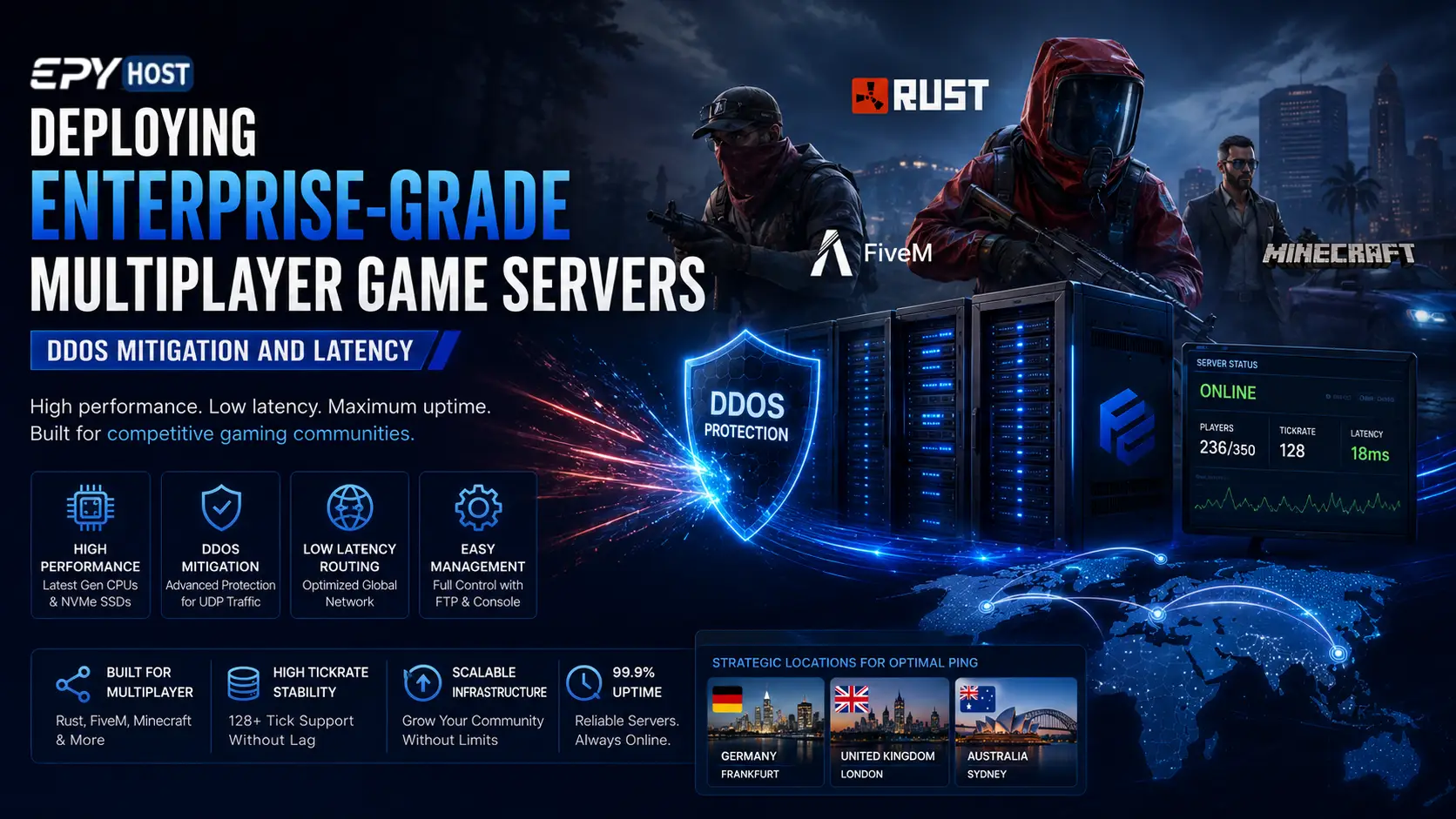
- Gaming Networks: With a massive, highly active player base in Central Europe, Poland is a premier location for gaming. Configurations leveraging high-frequency CPUs paired with high-bandwidth uplinks—like a 10Gbps dedicated server in Wyszków—ensure high tick rates for games like CS:GO and Minecraft.
- Operating Systems: Administrators require flexibility. You can deploy specialized Linux distributions (Ubuntu, CentOS, Debian) or provision a robust Windows dedicated server in Warsaw for seamless integration with corporate Microsoft environments.
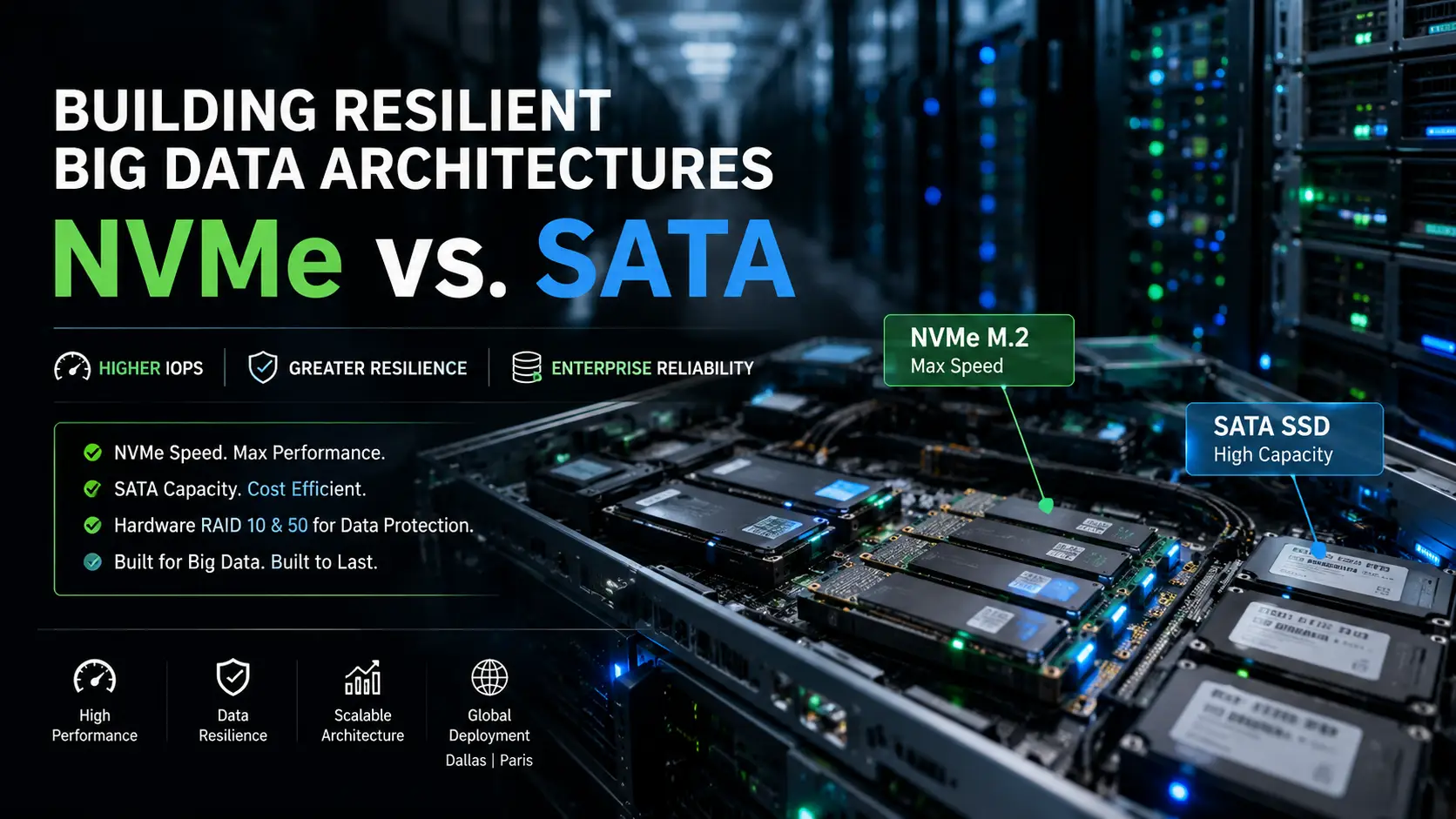
- Enterprise Storage: To maximize rapid data retrieval, implementing NVMe SSDs in hardware RAID configurations prevents I/O bottlenecks during heavy database queries.
Automated Anti-DDoS Mitigation
As digital traffic grows, so does the frequency of malicious network attacks. A reliable infrastructure must be resilient. Every bare metal deployment in our Polish facilities acts as a DDoS protected dedicated server, featuring automated L3-L7 traffic scrubbing. This ensures that volumetric attacks are absorbed and neutralized at the network edge before they can degrade your application's performance.
Conclusion: Securing Your Hub in Eastern Europe
Warsaw has officially transitioned from an emerging market to a dominant force in European IT infrastructure. Offering unparalleled PLIX connectivity, strict EU data compliance, and the ability to seamlessly bridge the DACH (Germany, Austria, Switzerland) and CEE regions, it is the ultimate deployment zone for scaling enterprises.
Whether you need serwery dedykowane Warszawa for a local project, or a high-bandwidth gateway to the rest of the continent, securing your hardware in Poland is a future-proof strategy. To explore specific configurations, root access capabilities, and rapid 4-hour deployment, review our high-performance Warsaw dedicated servers today.
 Recent Topics for you