The recent discovery of the PHP CGI argument injection vulnerability (CVE-2024-4577) sent shockwaves through the web hosting industry. It allowed attackers to bypass protections and execute arbitrary code on remote servers. While security teams scrambled to release patches, a glaring flaw in the modern hosting ecosystem was exposed: the systemic risk of shared environments.
In shared or tightly clustered virtual environments, you are only as secure as the weakest tenant next door. If a host delays patching a shared PHP binary to prevent breaking legacy client sites, your application remains exposed. The solution isn't just better patching policies—it is structural isolation.
The Danger of the "Noisy Neighbor" in Security
- Delayed Patching: Shared hosts often delay core updates to avoid breaking user scripts.
- Cross-Tenant Contamination: A single compromised account on a shared server can lead to resource exhaustion or lateral movement.
- Lack of Root Control: You cannot deploy emergency Web Application Firewall (WAF) rules at the OS level.
The Dedicated Advantage
By running your application on a bare-metal dedicated server, you eliminate the "noisy neighbor" threat entirely. You maintain full root access, allowing you to instantly upgrade your PHP version, modify Apache/Nginx configurations, or isolate legacy code in Docker containers without waiting on a provider's global rollout schedule.
Comparing Hosting Environments During a Zero-Day
When a critical vulnerability is announced, the reaction time and control dictate your risk of breach.
| Feature | Shared Hosting | EPY Host Dedicated Servers |
|---|---|---|
| Patching Control | Provider controlled | Instant client control |
| Hardware Isolation | None (Shared resources) | 100% Bare Metal |
| Custom Security Stack | Restricted | Full Root / Kernel Access |
Note: Dedicated servers provide the hardware foundation required for advanced enterprise security architectures like Zero Trust.
Global Isolation, Local Latency
Securing your application should not mean sacrificing global performance. EPY Host offers bare-metal isolation with lightning-fast network routes strategically positioned across the globe. You can lock down your PHP environment while delivering low-latency experiences to your users by deploying in our premium locations:
- North & South America: Deploy secure infrastructure with our USA dedicated servers or expand your LATAM presence via our Brazil dedicated servers.
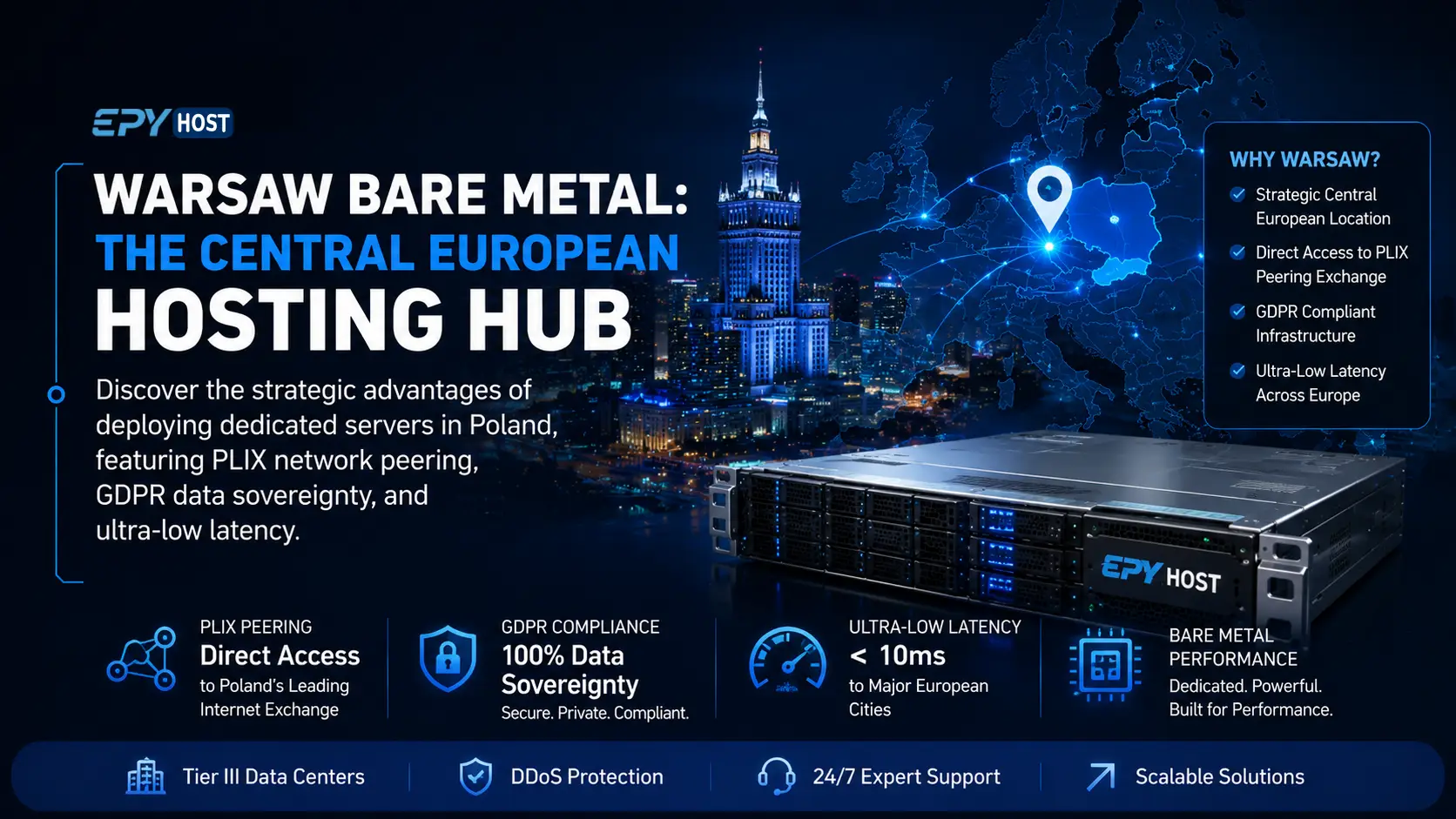
- Europe: Maintain strict GDPR compliance and isolation with UK dedicated servers, Netherlands dedicated servers, Germany dedicated servers, France dedicated servers, or our Russia dedicated servers.
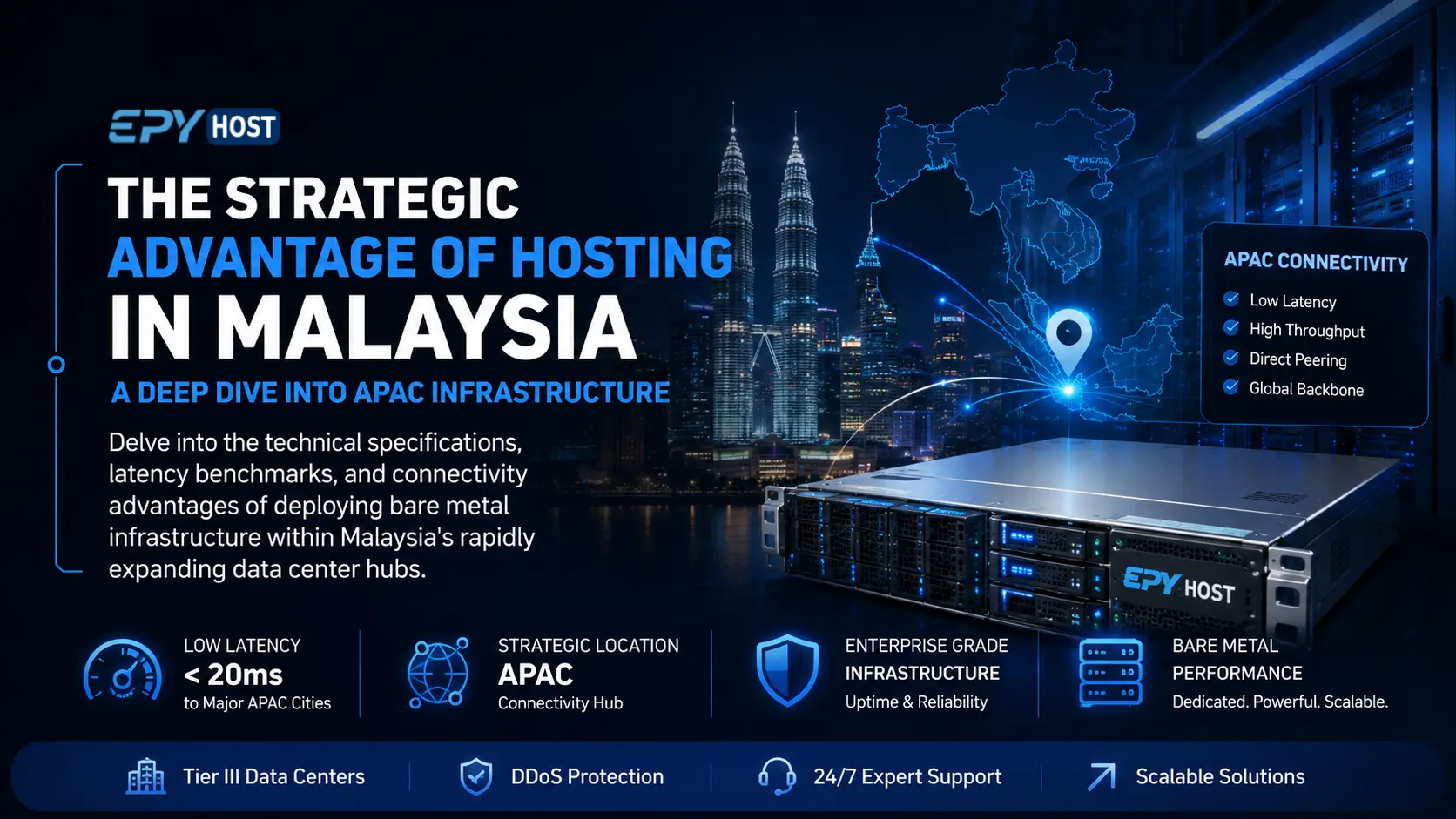
- Asia-Pacific & Africa: Scale securely into growing markets using our India dedicated servers, Japan dedicated servers, Singapore dedicated servers, Australia dedicated servers, and South Africa dedicated servers.
Conclusion
Vulnerabilities like CVE-2024-4577 will continue to emerge. The only permanent fix is architectural control. Upgrade your infrastructure today by choosing your ideal location from our global dedicated servers network and take your security into your own hands.
Frequently Asked Questions (FAQ)
How does a dedicated server protect against PHP vulnerabilities?
A dedicated server provides complete hardware isolation, meaning you do not share resources or risk cross-tenant contamination from other users running outdated PHP versions on the same physical machine.
Can I update PHP myself on a dedicated server?
Yes, with full root access on an EPY Host dedicated server, you have complete control to instantly patch vulnerabilities without waiting for a hosting provider to update shared systems.
 Recent Topics for you